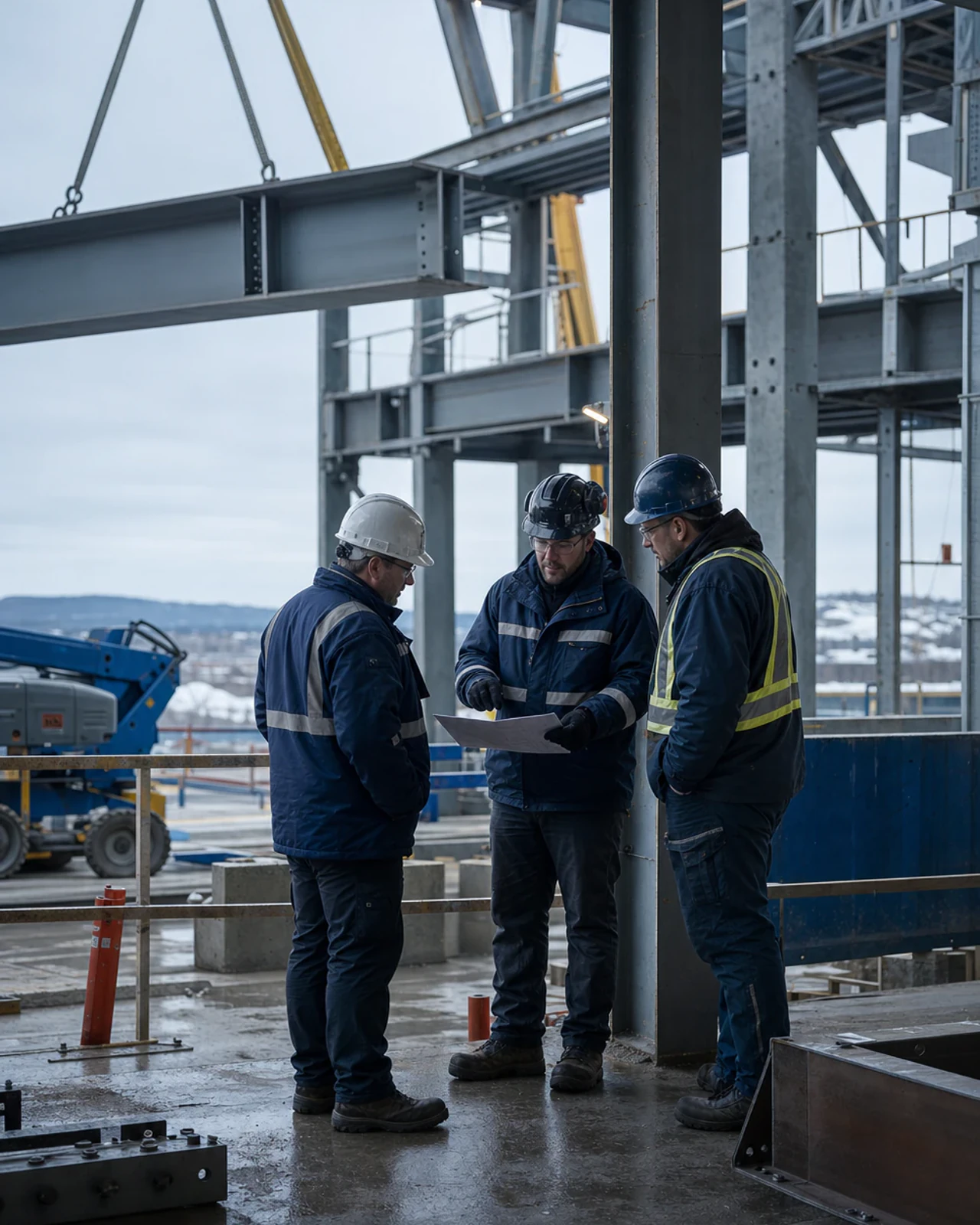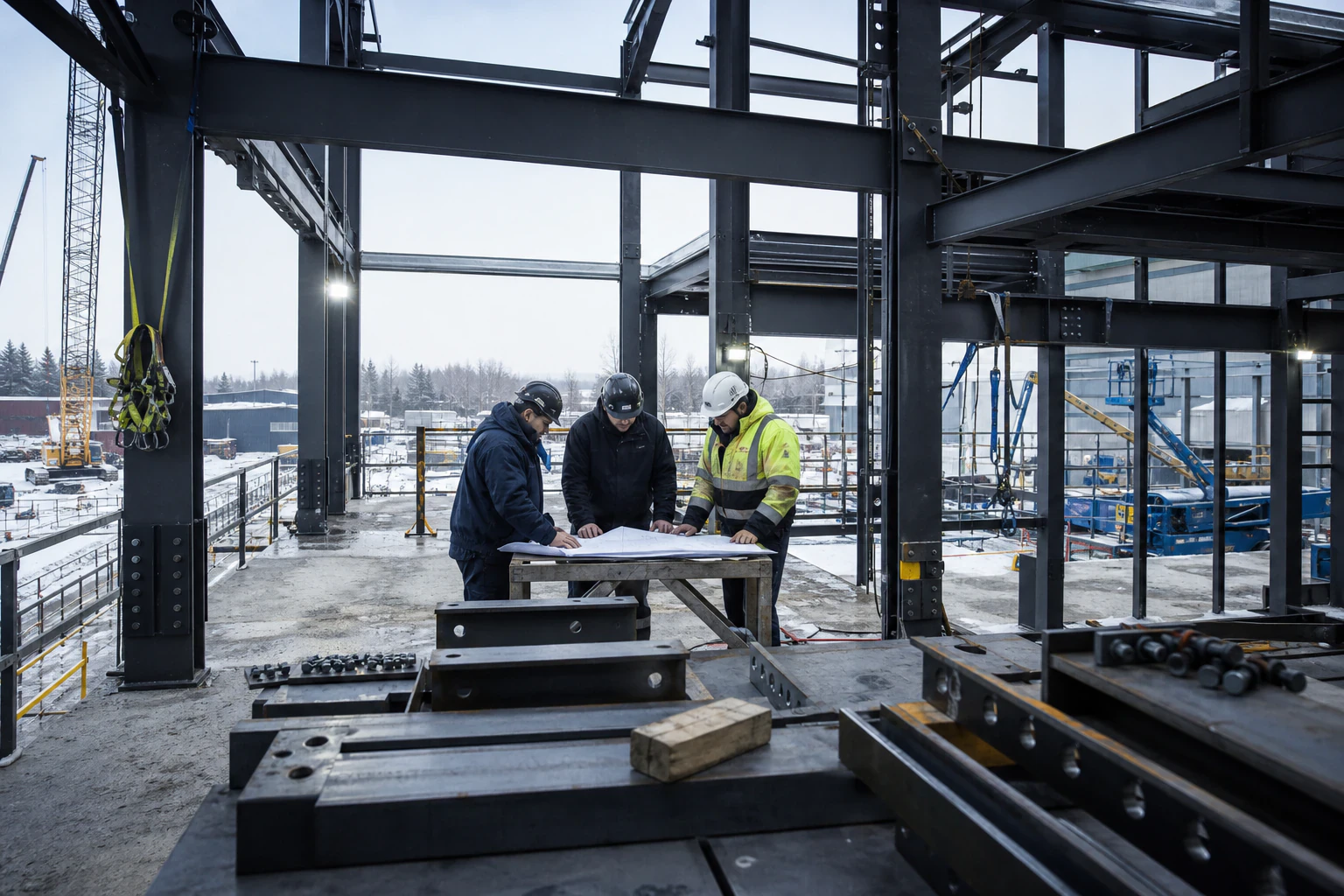
Begin with scope, not a list of companies
“Structural steel contractor” can describe very different assignments. Some projects require fabrication only. Others include fabrication drawings, erection plans, field installation or coordinated support from engineering through erection.
Before comparing companies, write down what must be included and what remains with your team or other professionals. This first distinction makes proposals easier to understand and reduces the risk of comparing different scopes.
Groupe Tremblay presents an offer that can bring together engineering and detailing, fabrication and erection, or address a more specific requirement. The scope that applies must still be confirmed for each project.
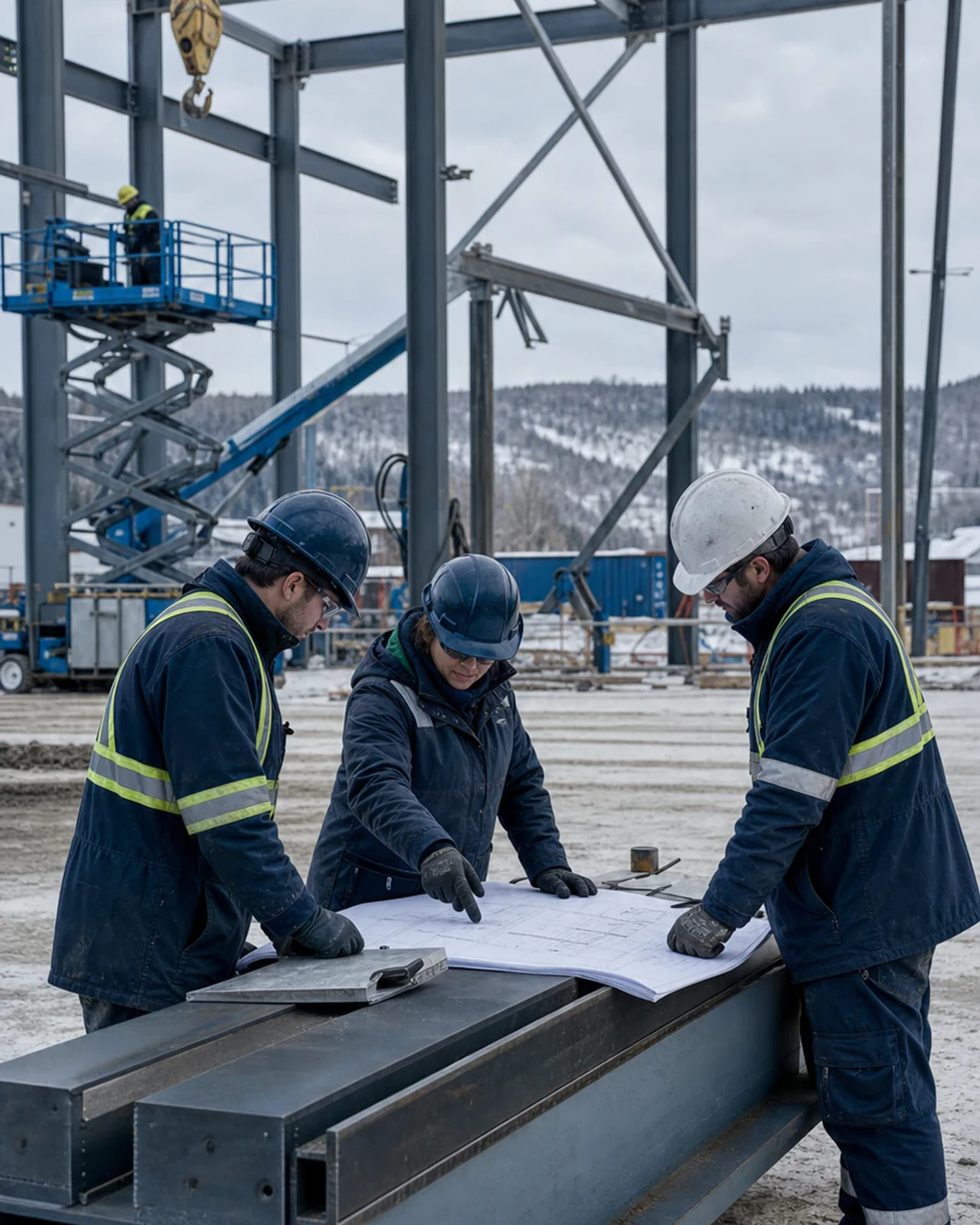
Examine how the stages will be coordinated
When several stages are assigned to one group, ask how information moves among engineers, detailers, the shop and the field. Who coordinates questions? How are changes communicated? Which documents must be reviewed before work advances?
An integrated offer does not remove decisions that belong to the owner, consultants or general contractor. Its value should be to make interfaces clearer and establish who is responsible for each part.

Ask for evidence that matches the requirement
A broad claim is not a substitute for proof connected to the scope you are buying. Depending on the project, request:
Groupe Tremblay has engineers who are members of the Ordre des ingénieurs du Québec, a zero-incident safety objective and several certifications and affiliations.
- Authorized examples of comparable structures or applications
- A description of current shop capacity and available equipment
- Applicable certifications, associations or permits, including current scope and validity
- The health and safety approach for the proposed work
- The roles of the people expected to participate
- Geographic and operational limits of the service
Compare proposals on the same basis
A price is meaningful only when inclusions, exclusions, assumptions, timing and responsibilities are comparable. Confirm who supplies reference drawings, who prepares detailed documents, who coordinates interfaces, who arranges transportation, who prepares the site and who performs erection.
Also ask how scope changes, discovered field conditions and late information will be handled. The goal is not an absolute promise. It is a clear process for making decisions when the project evolves.
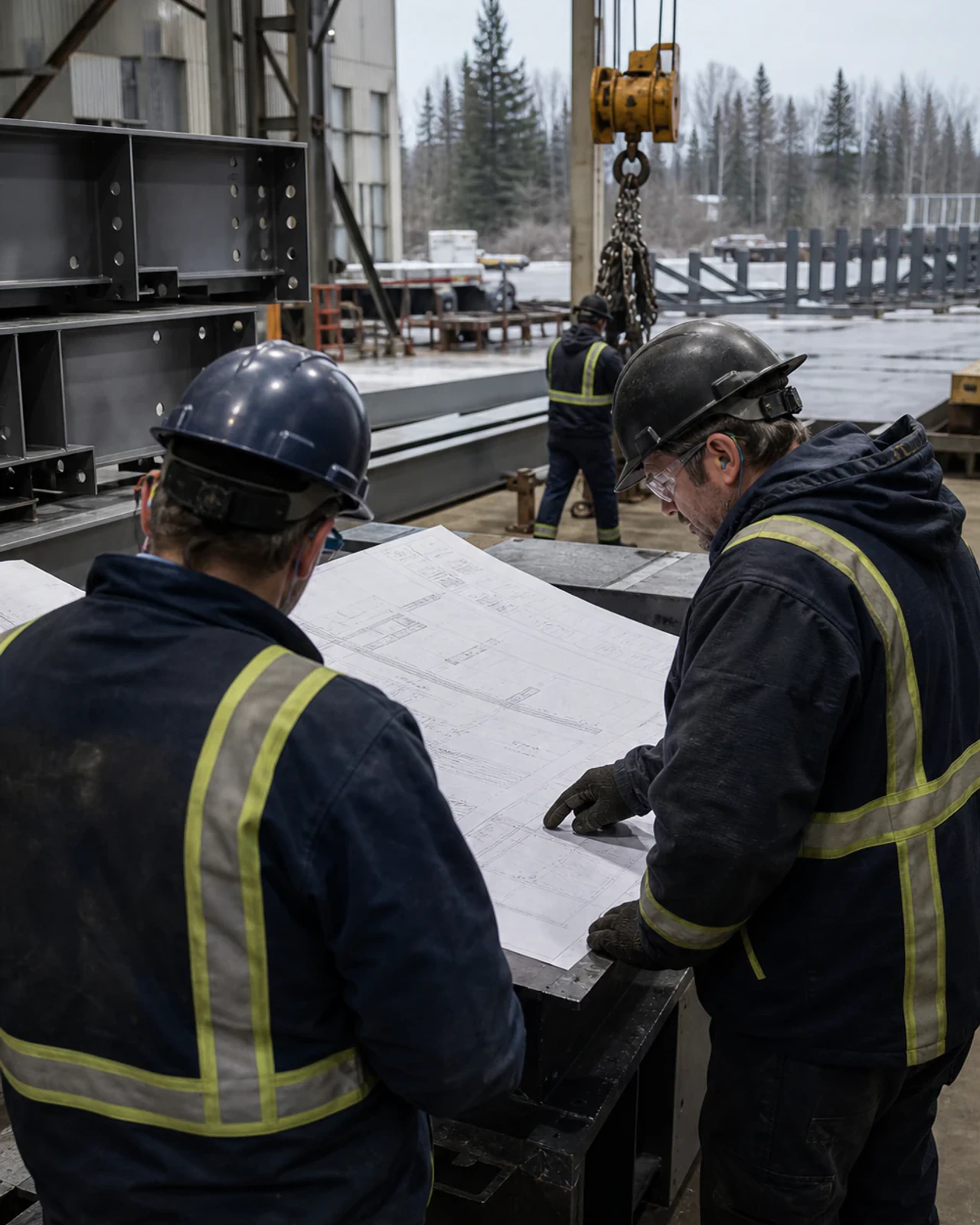
Questions to ask before selecting a partner
- Which parts of this assignment can you actually perform?
- What information is missing before you can confirm scope?
- Which work will be completed internally and which will involve others?
- How will drawings, reviews and changes be coordinated?
- What evidence can you provide for a comparable need?
- Which field requirements must be known now?
- What conditions could affect schedule or price?
A sound selection begins with scope understood by both parties. Assemble the available documents, identify the unknowns and request a response that clearly separates facts, assumptions and exclusions.