
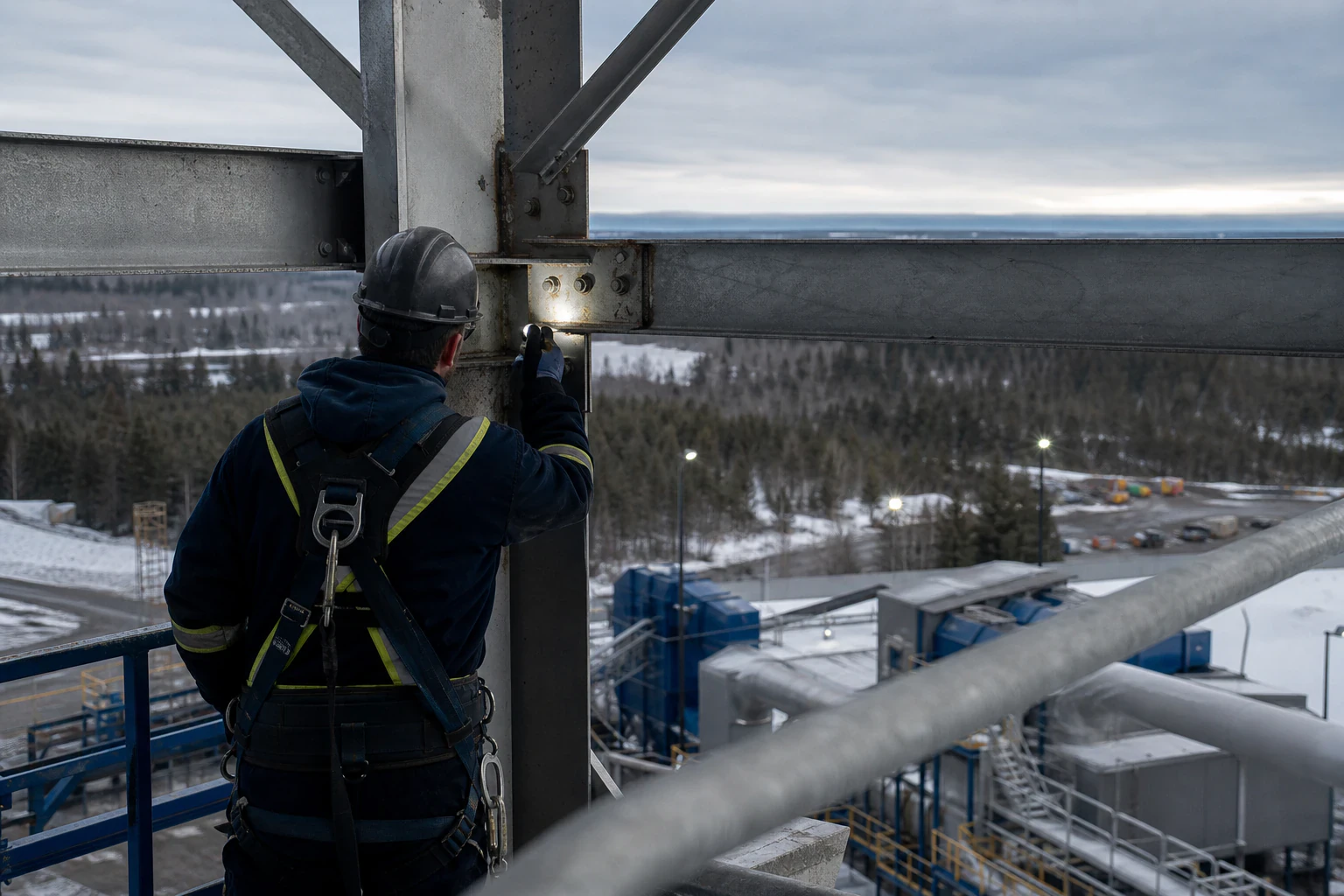
Begin with the observed need
“Industrial maintenance” can describe very different work. The offer covers maintenance of equipment, structures and facilities, along with cleaning, sandblasting, vacuum-truck work and painting adapted to encountered conditions.
A useful discussion begins with the specific need and allows the team to confirm the scope it can actually assess.
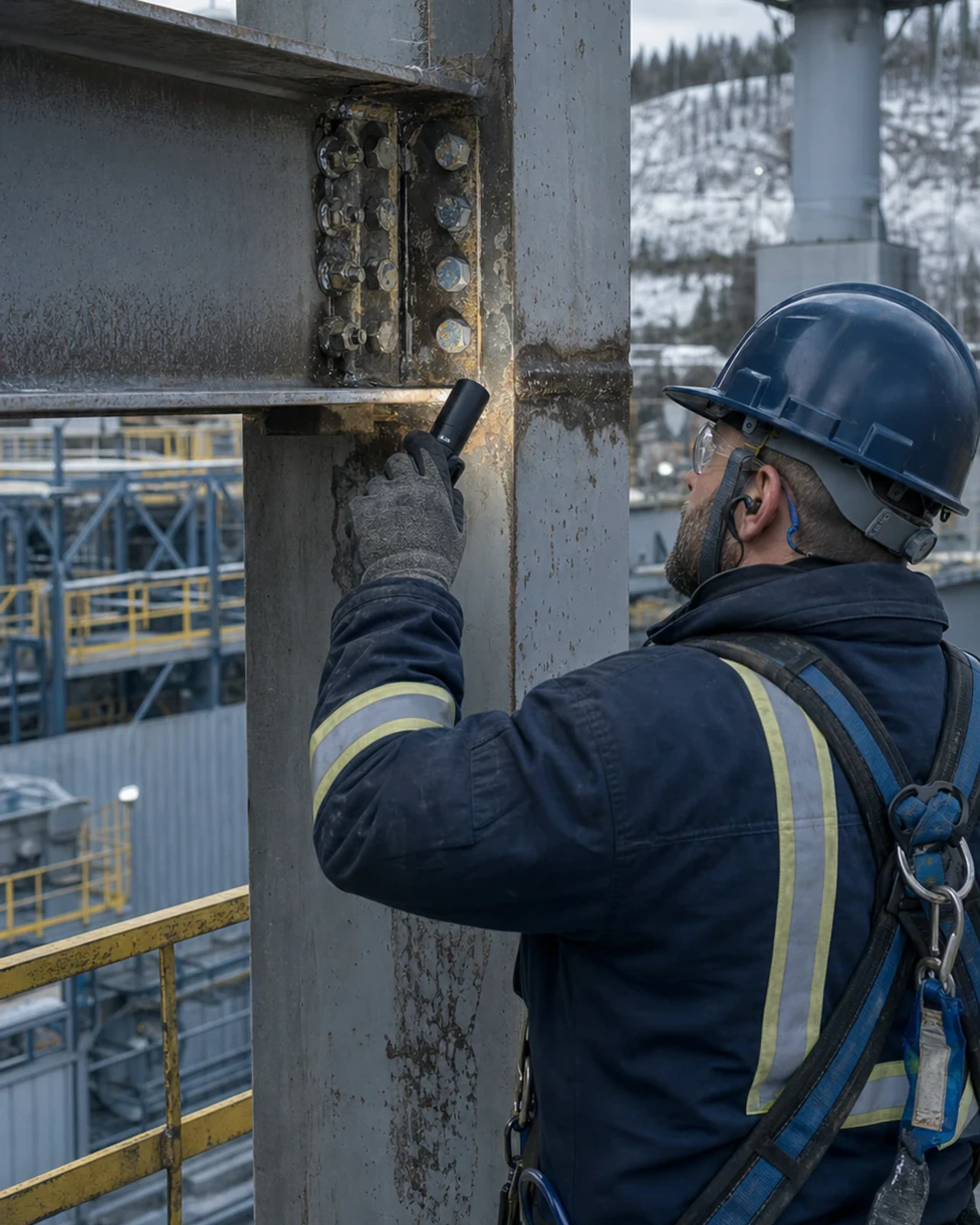
Identify the asset, area and condition
Describe the equipment, structure or area involved. Explain what was observed, when the issue appears and which information is already available. Authorized photographs, drawings, intervention history or reports may help, subject to confidentiality rules.
Avoid turning an observation into an unconfirmed diagnosis. “Visible corrosion is present” describes a condition; the cause and solution require appropriate evaluation.
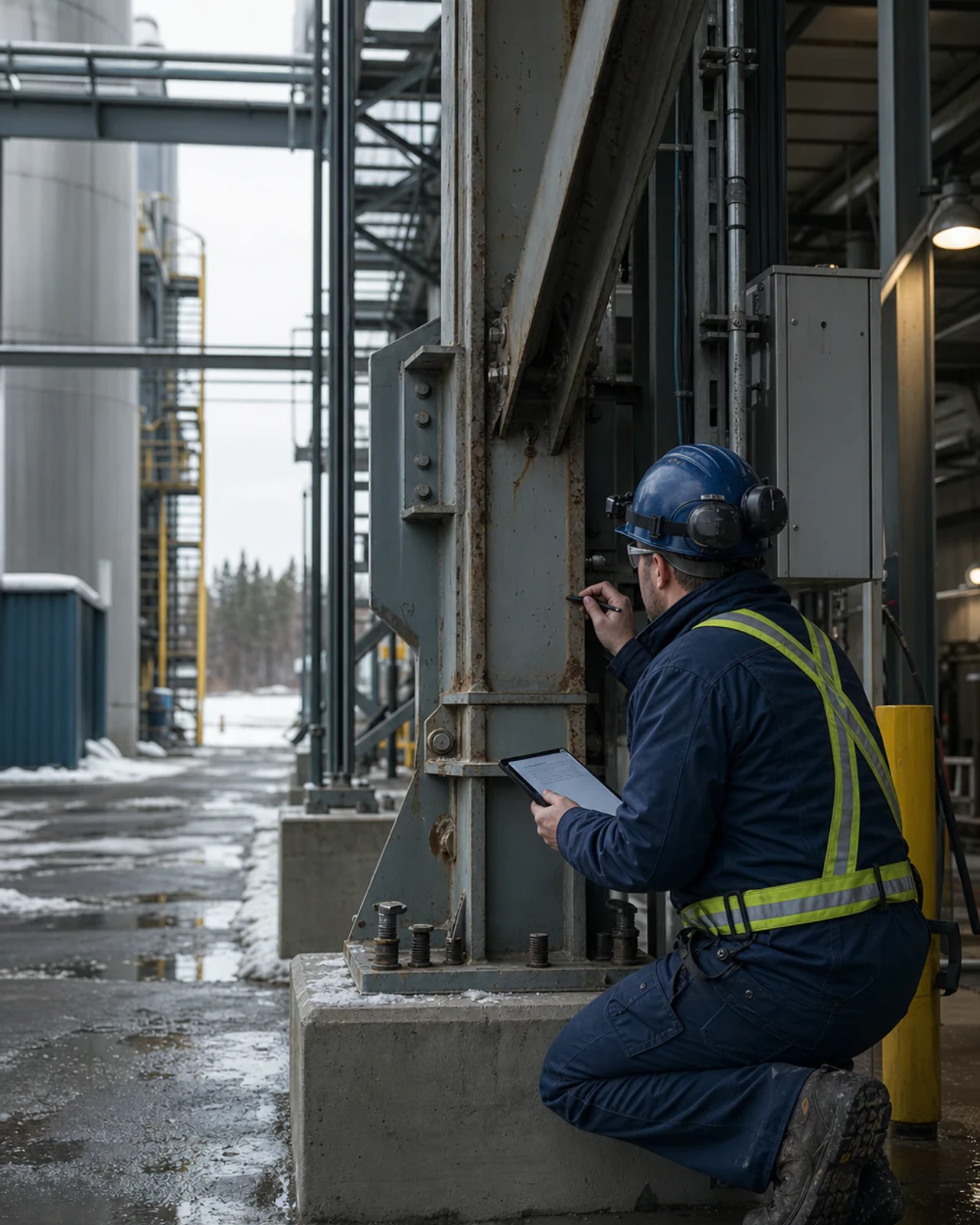
Define the required outcome
The outcome might be equipment returned to availability, an area cleaned, a structure maintained or preparatory work completed. Record the acceptance criteria provided to you and identify who can confirm completion.
If several options are being considered, separate the base scope from conditional work.
Document intervention conditions
Conditions can affect access, sequence and resources. Identify working hours, operating status of the area, access restrictions, interfaces with other teams and facility-specific requirements.
Work plans, methods, equipment and health-and-safety measures need to be established by qualified parties within the approved assignment. This guide does not prescribe them.

Clarify supporting services
Maintenance, cleaning, sandblasting, vacuum-truck work, painting and lifting form an industrial services offer. Identify which items are being considered and ask Groupe Tremblay to confirm what is offered, available and included.
Likewise, do not assume the service is preventive, corrective, emergency or continuously available.
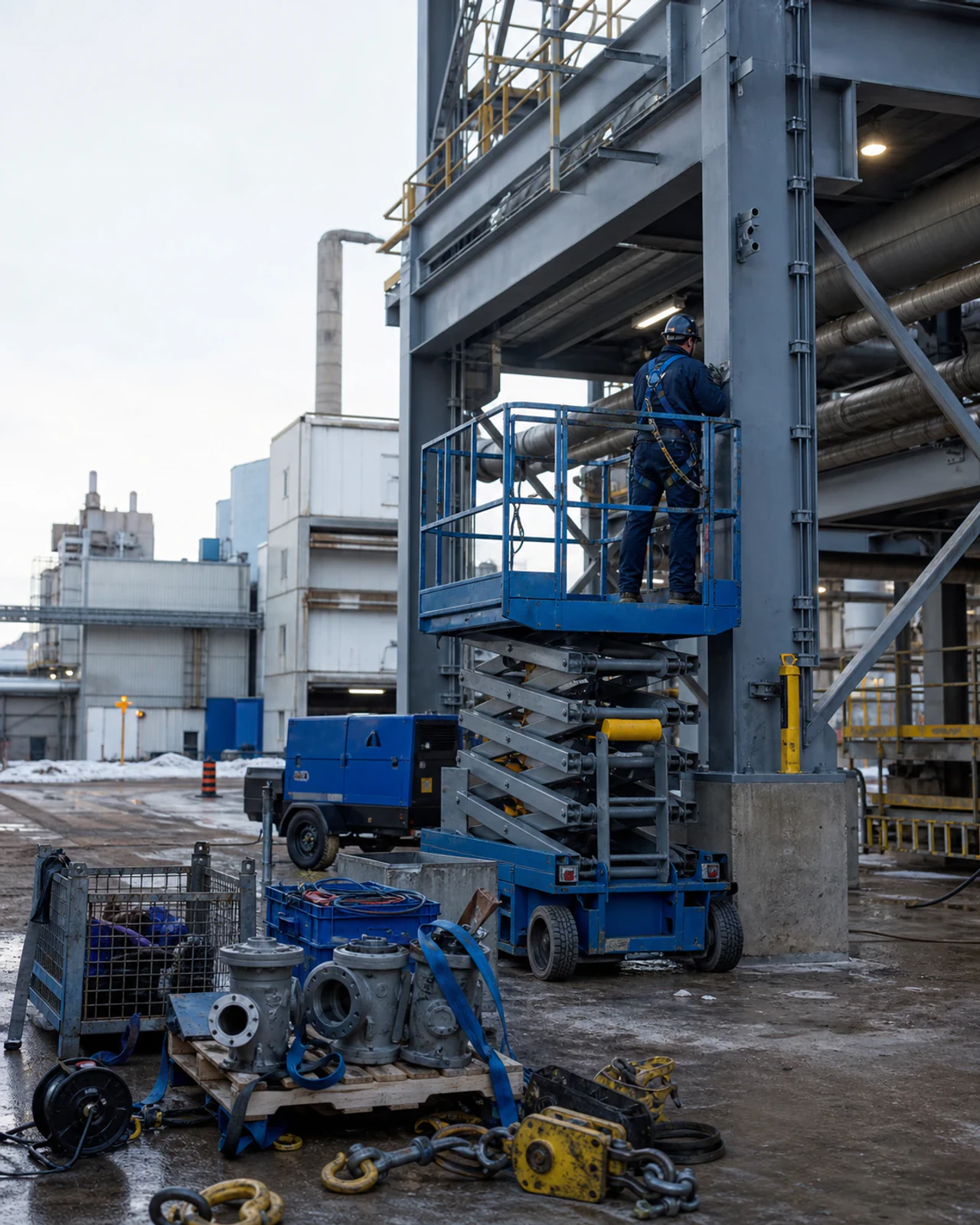
Prepare follow-up
Identify expected communication during the work, the person responsible for decisions and information to be provided at completion. Depending on the assignment, follow-up may include a description of completed work, discovered conditions and remaining items.
Scoping questions
- Which equipment, structure or area is involved?
- What condition was observed?
- What outcome is required?
- Which documents and history exist?
- Which site restrictions apply?
- Will the area remain in operation?
- Which services are actually requested?
- Who makes decisions and accepts completion?